Pioneer Aviators trained at Rumney Marsh
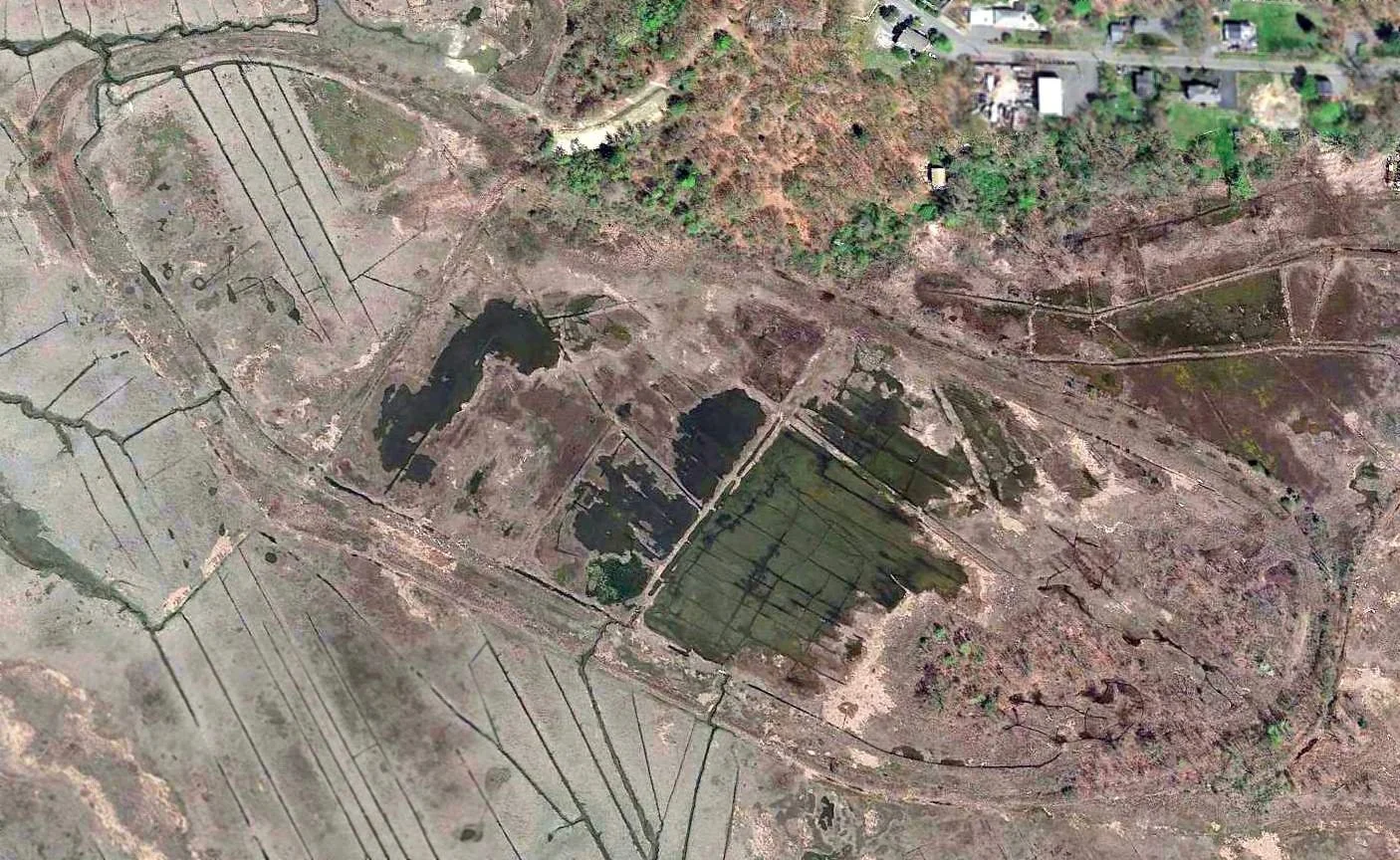
Many people know the old Franklin Park site in Saugus as a racetrack. Before the roar of stock cars, it was a horse track, and for one short and remarkable moment in 1912, it became something very different. This stretch of land along Rumney Marsh served as an early airfield, home to flight lessons, experimental aircraft, and pioneering pilots who pushed the limits of aviation long before airports dotted the landscape.
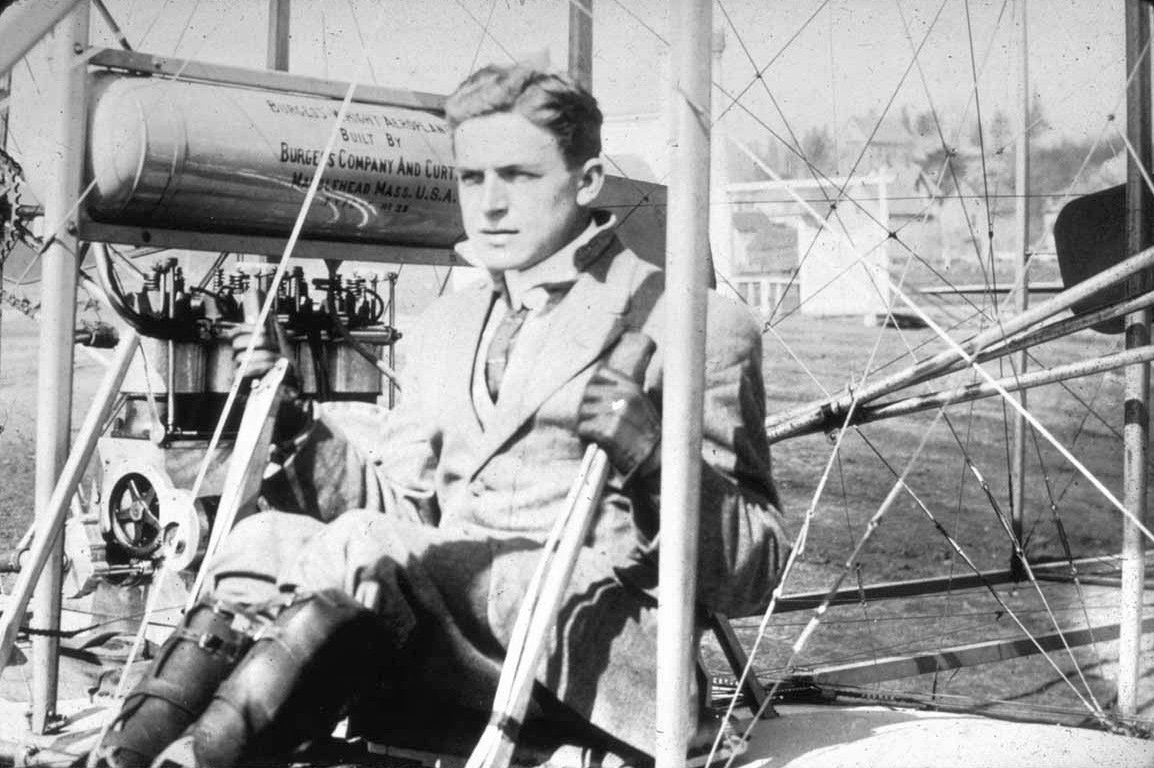
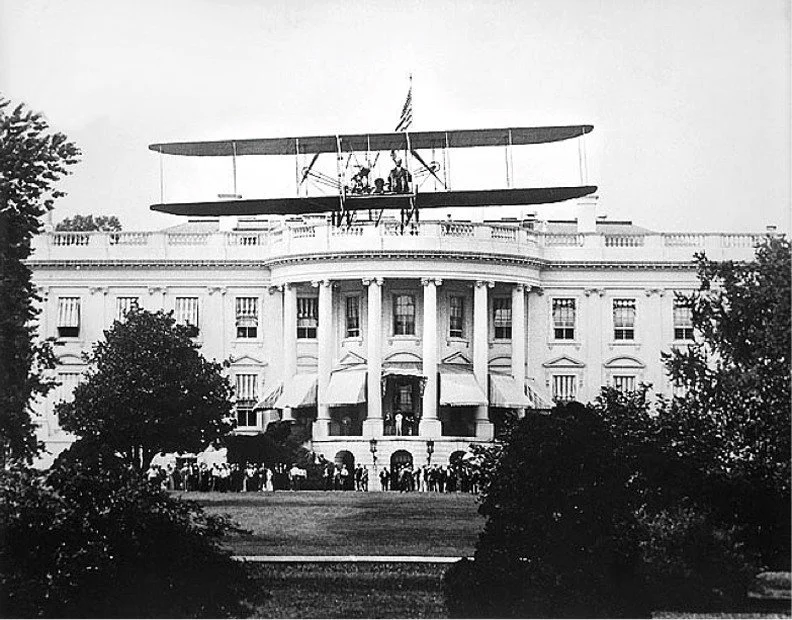
Harry Atwood, born in Roxbury, Boston, was the driving force behind that moment in history. He funded his flying career by selling two electric meter designs to General Electric, then entered aviation with boundless ambition. Atwood trained around the Wright brothers, set early American flight records, and constantly dreamed up new aircraft.
In 1912, the General Aviation Corporation purchased the Franklin Park horse track in Saugus and converted it into Atwood Park, a flying field and pilot training ground set against the edge of Rumney Marsh. For a brief time, this marshland airfield drew some of the most daring aviators in America, including Ruth Law Oliver and Lincoln J. Beachey.
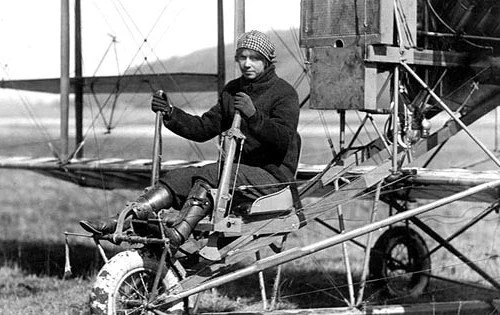
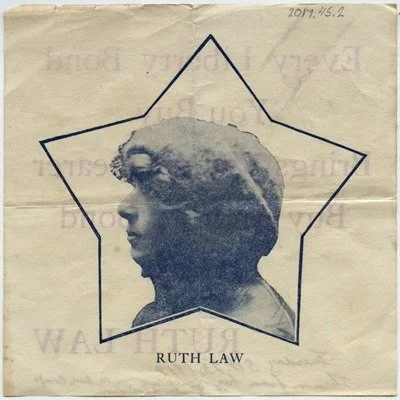
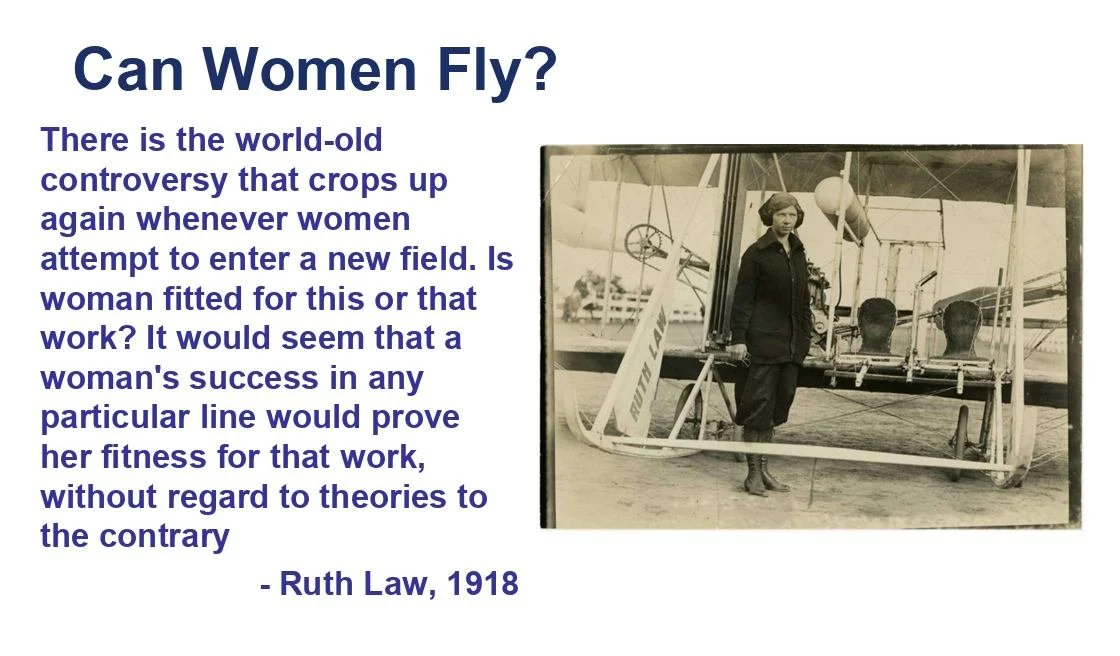
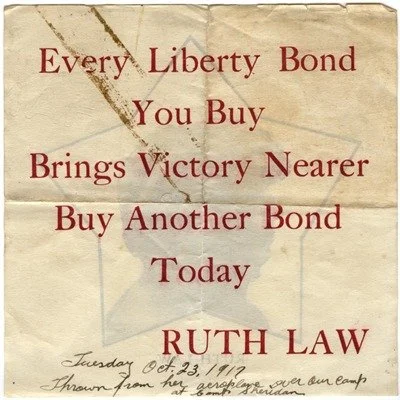
Ruth Law Oliver, who later settled locally and is buried in Pine Grove Cemetery in Lynn, became one of the most accomplished female pilots in the country. She set distance and altitude records, thrilled crowds, and fought hard for women to fly in military service. After the United States entered World War I in April 1917, she petitioned President Woodrow Wilson directly, advocating for women to be allowed to fly for the military. The effort was unsuccessful, but her determination helped lay the groundwork for future generations.
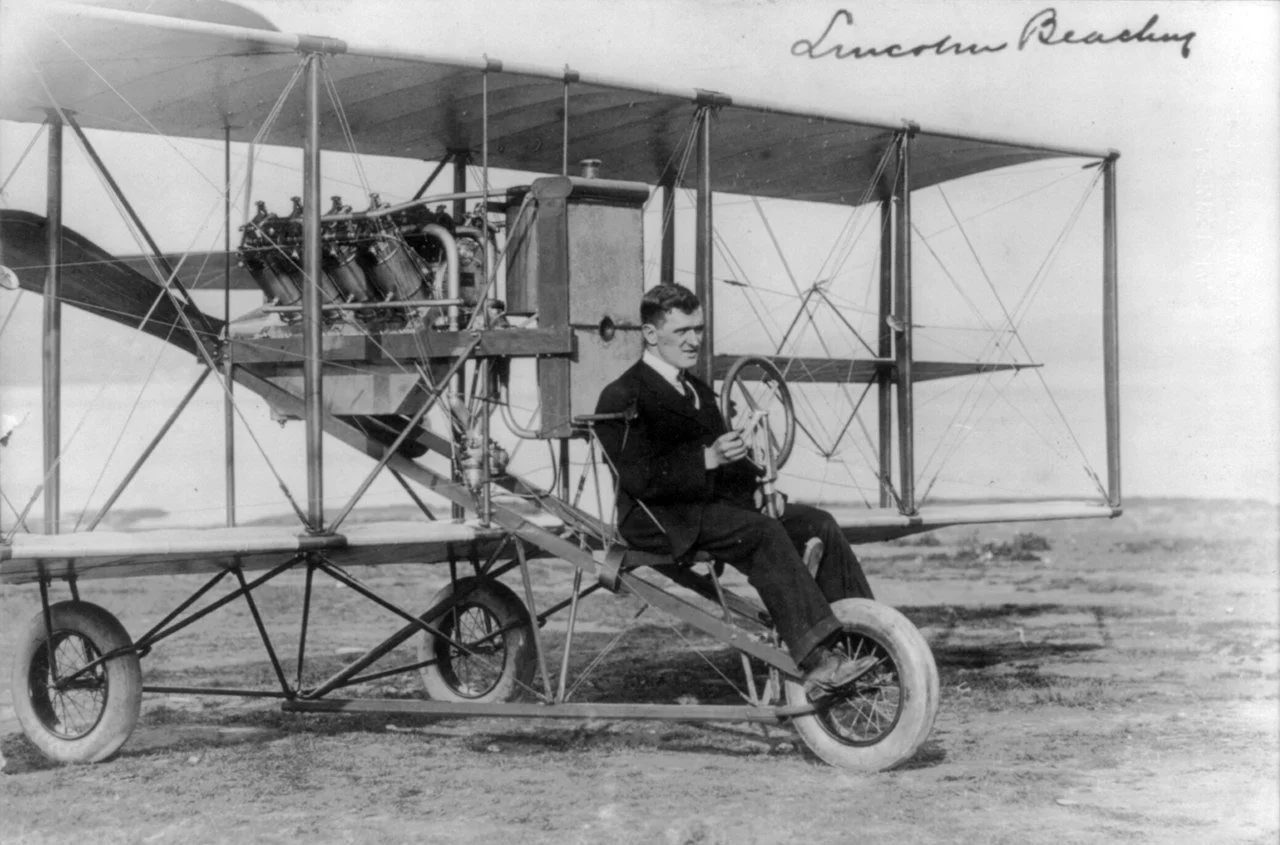
Lincoln Beachey, another visitor to Atwood Park, was perhaps the most famous stunt pilot of the era. Seventeen million people saw him fly in a single year at a time when the United States population was only about ninety million. He invented aerial maneuvers like the figure eight and the vertical drop, and many of his techniques still influence aerobatics today.
Atwood served as the chief instructor at Atwood Park until June 1912, when he left to return to exhibition flying. In May 1912, he took off from the edge of Rumney Marsh and flew to Lynn Common, dropping a sack of mail to a waiting postal worker. It was the first airmail delivery ever made in New England, and it began right here.
The site later returned to racing, and its aviation chapter faded from public memory. Yet for a brief and electric moment, Rumney Marsh was a frontier of flight. Hand-built planes lifted off from the turf. Students learned to fly over the tidal creeks. Some of the most daring and imaginative aviators in America stood here and looked skyward.
Atwood’s story, along with Ruth Law Oliver’s and Lincoln Beachey’s, reminds us that Rumney Marsh has never been just one thing. It has been farmland, racetrack, airfield, industrial edge, and today recognized as a protected Area of Critical Environmental Concern (ACEC). The marsh holds layers of history, and sharing them helps us appreciate how dynamic this landscape has been, and why protecting it matters so deeply today.